
round tempered glass
Pilot Controlled Check Valve En Nøglekomponent i Hydrauliksystemer I hydrauliksystemer spiller forskellige komponenter en væsentlig rolle i at sikre, at systemet fungerer effektivt og pålideligt. En sådan komponent er pilot controlled check valve, eller på dansk, pilothåndteret tilbageholdelsesventil. Denne ventil type er designet til at forhindre tilbageflow i systemet, samtidig med at den muliggør kontrol af flowretningen under specifikke forhold. I denne artikel vil vi se nærmere på funktionaliteten, anvendelserne og fordelene ved pilothåndterede tilbageholdelsesventiler. Funktionalitet En pilothåndteret tilbageholdelsesventil fungerer ved hjælp af en pilotfunktion, der leverer en mekanisme for at åbne og lukke ventilen baseret på hydraulisk tryk. Det primære aspekt ved disse ventiler er, at de tillader flow i én retning, men kan åbnes i den modsatte retning ved hjælp af et lavere tryk, som styres af en pilotventil. Dette betyder, at mens den primære flowvej er lukket for at forhindre tilbageflow, giver det pilotaktiverede system mulighed for at overvinde denne lukning under kontrollerede forhold. En sådan mekanisme er afgørende i systemer, hvor der kan opstå trykforskelle, som kan skade udstyret eller påvirke systemets integritet. Ved at benytte en pilothåndteret tilbageholdelsesventil kan operatøren sikre, at flowet forbliver stabilt og effektivt, mens risiciene for trykpik og skader minimeres. Anvendelser Pilothåndterede tilbageholdelsesventiler anvendes i en bred vifte af industrier og applikationer. De ses ofte i hydrauliksystemer, der bruges i maskiner som gravemaskiner, kraner, og landbrugsudstyr. Disse ventiler er også essentielle i systemer, der beskæftiger sig med flydende medier, såsom olie- og gasproduktion, vandforsyning og industrielt udstyr. pilot controlled check valve En af de mest almindelige anvendelser er i hydrauliske systemer, hvor sikkerheden og effektiviteten er altafgørende. Ventilernes evne til at forhindre tilbageflow beskytter også mod potentielle skader på pumper og ventiler, hvilket kan medføre store omkostninger for virksomheder. Desuden anvendes disse ventiler ofte i applikationer, hvor der kræves præcis kontrol over flowet, såsom i automatiske systemer og proceskontrol. Fordele Der er flere fordele ved at anvende pilothåndterede tilbageholdelsesventiler. For det første sikrer de optimal beskyttelse mod tilbageflow, hvilket forlænger levetiden på udstyret og reducerer vedligeholdelsesomkostningerne. Samtidig muliggør de en effektiv og kontrolleret drift af hydrauliksystemer, som kan tilpasses forskellige operationelle krav. Desuden giver de en høj grad af fleksibilitet. Pilotfunktionen kan nemt justeres til at imødekomme specifikke flowkrav, hvilket gør disse ventiler ideelle til dynamiske systemer, hvor forholdene kan ændre sig hurtigt. Deres kompakte design betyder også, at de let kan integreres i eksisterende systemer uden at kræve omfattende modifikationer. Konklusion Pilothåndterede tilbageholdelsesventiler er uundgåelige komponenter i moderne hydrauliksystemer. Deres evne til at kontrollere flowretningen effektivt og sikre, at der ikke opstår tilbageflow, gør dem til en vital del af mange industrielle applikationer. Med de mange fordele, de tilbyder, er det klart, at disse ventiler vil fortsætte med at spille en afgørende rolle i optimeringen af hydrauliske systemer overalt.
about
round tempered glass
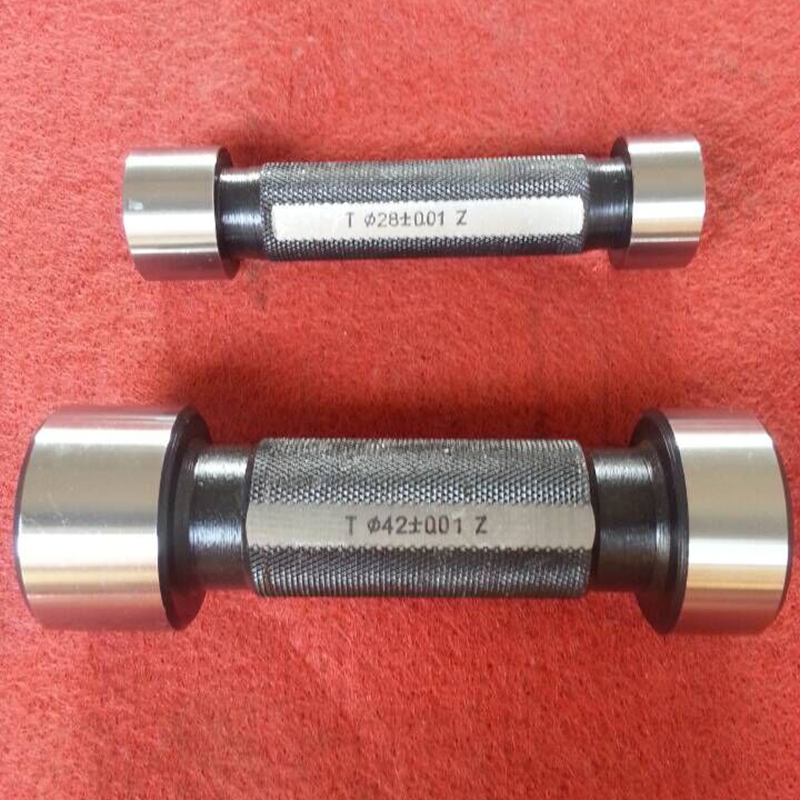
Understanding the Snap Gauge Set A Comprehensive Guide In the realm of precision measurement tools, snap gauge sets hold a crucial place. Employed primarily in manufacturing and engineering sectors, these tools are designed to measure the dimensions of a workpiece quickly and accurately. This article aims to provide a thorough understanding of snap gauge sets, their applications, and their significance in quality control processes. What is a Snap Gauge Set? A snap gauge set typically consists of a series of calibrated measurement tools designed to check the external dimensions of an object. Unlike traditional measuring methods that may involve tedious processes with calipers or micrometers, snap gauges offer a streamlined approach to measuring dimensions such as diameter, thickness, and length. Typically, these gauges are designed to 'snap' over or into the part, allowing for quick measurement without requiring the user to hold the gauge in place. Types of Snap Gauges Snap gauges come in various forms, each suited for specific measurement tasks . The two most common types are 1. External Snap Gauges These are used to measure the outside dimensions of an object. They feature a pair of arms that 'snap' onto the part being measured, providing an immediate reading. External snap gauges are particularly beneficial for round objects, such as pipes and shafts. 2. Internal Snap Gauges Designed for measuring the internal dimensions of hollow objects, these gauges have tips that fit inside the cavity of the workpiece. Internal snap gauges are vital for manufacturing parts that need to fit together precisely, such as automotive components. How to Use a Snap Gauge Set Using a snap gauge set is straightforward, but it requires a degree of care to ensure accuracy snap gauge set 1. Calibration Before use, it is crucial to calibrate the snap gauge using standard blocks or gauges. This ensures that the measurements taken will be precise. 2. Positioning Place the snap gauge over the part to be measured. For external measurements, ensure the arms fit snugly around the outer surface. For internal measurements, insert the tool into the cavity until it makes contact with the walls. 3. Measurement Reading Once the gauge is positioned correctly, check the reading on the scale or dial. This reading indicates the dimension of the workpiece. 4. Repeatability For accuracy, it is advisable to take multiple measurements and compare the results. Applications and Importance Snap gauge sets are integral to various sectors, including automotive, aerospace, and manufacturing industries. Their ability to provide quick and precise measurements makes them indispensable in quality control processes. High-quality measurements are essential for ensuring that parts fit together correctly, which can greatly influence the overall functionality and safety of mechanical systems. Moreover, in a manufacturing environment, the efficiency provided by snap gauges can lead to increased productivity. Workers can quickly assess whether parts meet specifications, reducing the time spent in inspection and allowing for a smoother production flow. Conclusion In summary, snap gauge sets are vital tools for professionals who demand precision in their work. By understanding how to utilize these tools effectively, technicians and engineers can enhance the quality control process, ensuring that every component meets the necessary standards. Their ease of use and reliability underscore their importance in modern manufacturing and engineering, making them a staple in the toolkit of any precision measurement professional. As technology continues to advance, improved designs and materials will likely enhance the functionality and accuracy of snap gauges, further cementing their role in quality assurance.
-

High quality industrial productsagement

High quality industrial products
View Details -

Meet the diverse needs of customers

Meet the diverse needs of customers
View Details -

Strict quality control

Strict quality control
View Details -

Top raw materials

Top raw materials
View Details -

Trusted supplier

Trusted supplier
View Details
Our application

news and information
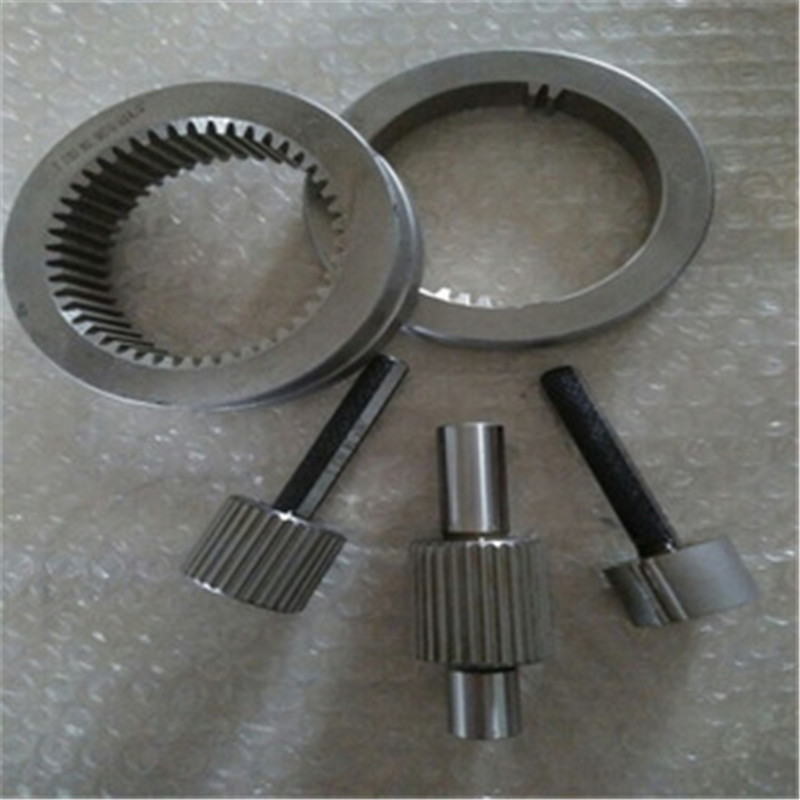
water valve types
Understanding Water Valve Types A Comprehensive Guide Water valves are critical components in plumbi
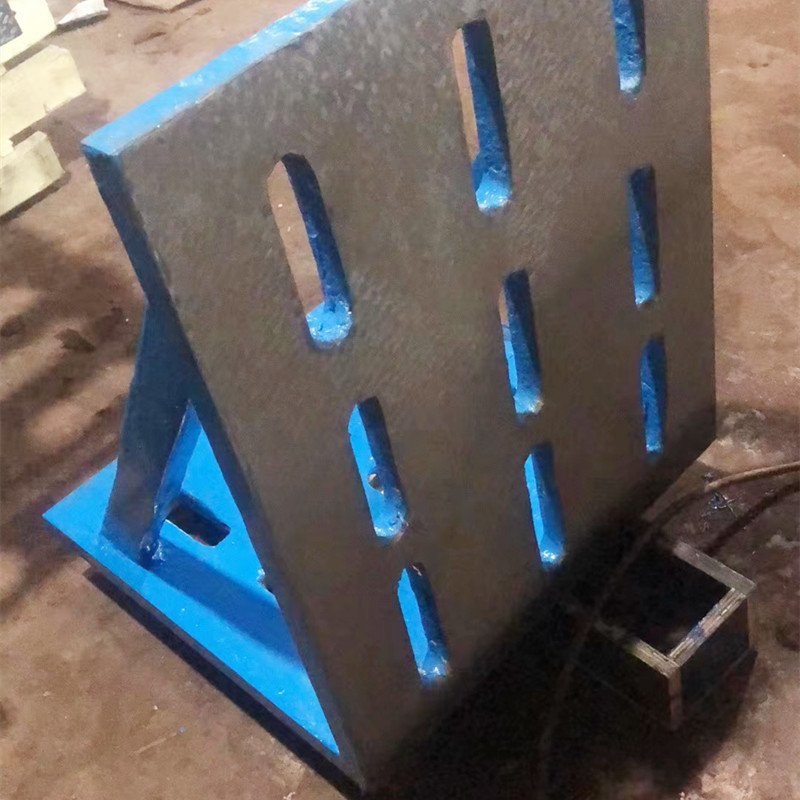
Welding Table Manufacturing Solutions from China for Reliable Performance and Quality
Welding Tables in China A Comprehensive Overview Welding tables are essential tools in the fabricati

Welding Fabrication Techniques and Best Practices for Efficient Projects
Understanding the Importance of Welding Fabrication Tables in the Industry Welding fabrication table
 English